Philippine authorities are moving to tighten legal and law-enforcement tools against a fast-evolving form of online radicalization they say is targeting children and teenagers, following the deadly June 22 school shooting in Tacloban City. The Philippine National Police (PNP) has sought assistance from foreign counterparts to trace an online extremist group known as “764,” which investigators believe may have influenced two minor suspects in the attack at San Jose National High School. PNP Chief Gen. Jose Melencio Nartatez Jr. said the force will work with law-enforcement agencies abroad to determine the group’s footprint and identify individuals behind it, as well as assess potential involvement of Filipinos and possible target victims.
The Tacloban shooting, which left three students dead, has sharpened focus in Manila on what officials and lawmakers describe as nihilistic violent extremism, or NVE. During a Senate inquiry into the incident, Senator Risa Hontiveros, who heads the chamber’s committee on women and children, said there were indications the campus attack could be linked to an “online nihilistic violent extremist” network infiltrating popular gaming platforms to brainwash vulnerable children. Senate President Sherwin Gatchalian cited what he described as a rise in reported cases of minor-inflicted violence and called for a dedicated law to counter NVE, including online grooming and the progressive “brainwashing” of youths into committing violent acts.
Justice Undersecretary Nicholas Felix Ty has outlined how NVE operates, describing it as a form of violent extremism in which children and young adults are manipulated—often on social media and gaming sites—into a sequence of increasingly serious offenses. According to Ty, behavior may start with relatively minor violations such as trespassing or vandalism before escalating into self-harm, animal cruelty and, in some instances, mass-casualty attacks. He said perpetrators exploit emotional vulnerabilities and the desire for acceptance, using those pressures to steer young people toward harmful conduct. In a previous case cited by Gatchalian, a gaming platform was linked to a planned school attack in Laguna in early 2026.
To confront these trends, the Department of Justice is advocating a comprehensive statute modeled on the Philippines’ existing anti-terrorism and anti-human trafficking laws. Ty said the DOJ is ready to work with Congress on a measure that would provide clearer legal bases to prosecute online grooming and exploitation tied to violent acts, while mobilizing a whole-of-government response involving law enforcement, education, and social welfare agencies. Pending such legislation, the department plans to recommend that the Anti-Terrorism Council adapt current counterterrorism mechanisms to address NVE, noting that similar approaches are being used in other countries. The council’s interagency structure, which already brings together the DOJ, Education and Social Welfare departments among others, offers a template that authorities say can be leveraged to strengthen intelligence gathering and coordination as lawmakers deliberate on a dedicated NVE law.
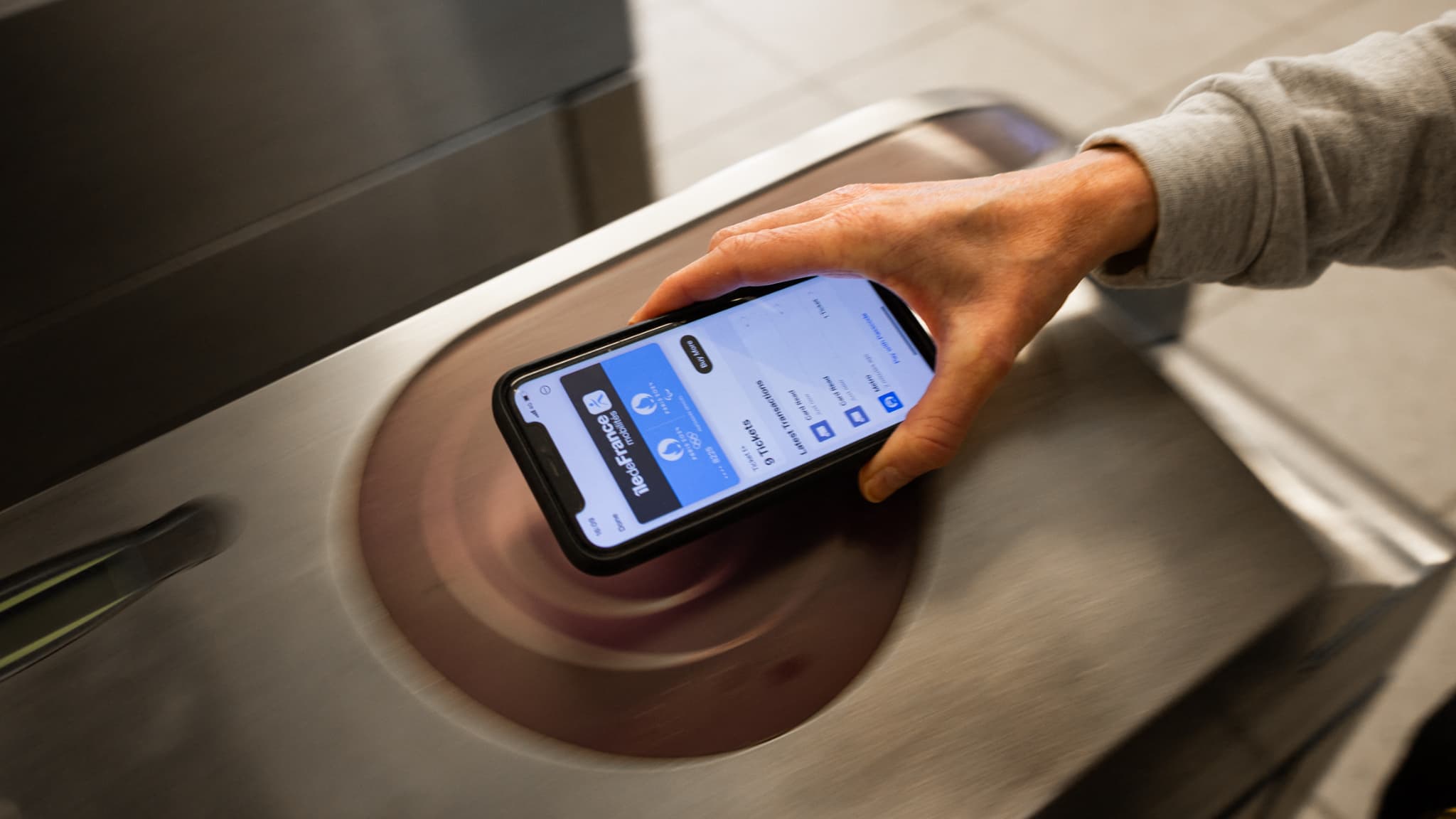
Depuis le 2 juillet 2026, le pass Navigo Annuel franchit une nouvelle étape dans sa dématérialisation en arrivant sur les smartphones Android. Les abonnés franciliens dotés d’un forfait annuel classique ou senior peuvent désormais transférer leur titre sur un mobile compatible et valider directement aux portiques avec leur téléphone, sans même avoir à le déverrouiller. Une évolution attendue de longue date par les usagers, alors que les tickets et forfaits courts (Jour, Semaine, Mois, Liberté+) étaient déjà passés au numérique.
Le déploiement concerne 1,3 million d’abonnés, qui paient 998 euros par an pour circuler sur l’ensemble des zones d’Île-de-France. Île-de-France Mobilités étale l’opération sur deux semaines afin de gérer progressivement les transferts de titres. Cette bascule du support physique vers le smartphone intervient deux ans après la dématérialisation du passe mensuel, un décalage expliqué par des contraintes techniques et réglementaires, notamment liées à la lutte contre la fraude, estimée à 700 millions d’euros par an dans les transports franciliens.
Si les détenteurs de smartphones Android sont les premiers servis, la bascule ne sera pas immédiate pour tous. Les utilisateurs d’iPhone et d’Apple Watch devront patienter jusqu’à septembre 2026 pour intégrer leur Navigo Annuel à leur appareil. Les 1,4 million d’étudiants titulaires du forfait Imagine R devront, eux, attendre septembre 2027 pour bénéficier du même niveau de dématérialisation. Île-de-France Mobilités assume ainsi un calendrier progressif et inégal selon les publics, après plusieurs reports qui avaient suscité l’exaspération d’une partie des usagers.
Concrètement, les abonnés éligibles doivent passer par l’application Île-de-France Mobilités. Une fois l’application installée, il leur faut se connecter à l’onglet « Mon Espace », puis sélectionner l’option « Transférer mon Navigo Annuel ». Si le profil est compatible, l’abonnement est basculé sur le smartphone, qui devient alors le titre de transport unique. Pour l’autorité organisatrice, cette étape marque « une nouvelle étape de la simplification des déplacements en Île-de-France », tout en s’inscrivant dans une stratégie plus large de modernisation des titres de transport et de réduction de la fraude.