The Philippine Supreme Court has ruled that an employee’s prolonged, unauthorized absences are not by themselves enough to justify dismissal for abandonment of work, reversing earlier findings by labor authorities and the Court of Appeals in a case involving agricultural firm Green Era Biotech and its manpower service provider, Great Value. In an 18-page decision dated Nov. 19 and issued by the tribunal’s Third Division, the high court found the two companies liable for the illegal dismissal of a production utility worker who had been absent from work for at least 18 days in 2018.
The worker, initially hired by Green Era Biotech in 2015 and later transferred to Great Value, was first absent for eight consecutive days due to illness. Great Value required him to explain his unauthorized absences, citing a company policy that allowed dismissal for at least five days of unexplained absence. He later incurred another nine straight days of absence, prompting the issuance of an absence without leave (AWOL) notice that characterized his conduct as serious misconduct and abandonment of work. After taking another leave with his supervisor’s permission, he was barred from entering the workplace and informed by his foreman that he had been declared AWOL, leading him to file a complaint for illegal dismissal.
In overturning the earlier rulings of the Labor Arbiter, the National Labor Relations Commission and the Court of Appeals, the Supreme Court stressed that abandonment as a just cause for dismissal has two elements: absence without a valid reason and a clear intention on the part of the employee to sever the employment relationship. The Court underscored that the second element is the more critical requirement and that the burden of proving both elements rests with the employer. “Mere absence from work, without more, will ordinarily fail to support a finding of abandonment of work, absent any overt act from the employee clearly showing that he or she intends to sever his or her employment,” the decision said.
While the justices acknowledged that the worker’s absences were “clearly unauthorized,” they found no evidence that he intended to abandon his job, noting instead that he had attempted to return to work and promptly challenged his dismissal before the labor tribunal. The Court ruled that his conduct did not amount to a “deliberate and unjustified refusal” to resume employment and that his absences did not merit the “severe penalty of dismissal.” It ordered his reinstatement to his former position without loss of seniority and privileges, though without back wages, and held Green Era Biotech and Great Value jointly liable to pay separation pay if reinstatement is no longer feasible, along with nominal damages of 30,000 pesos.
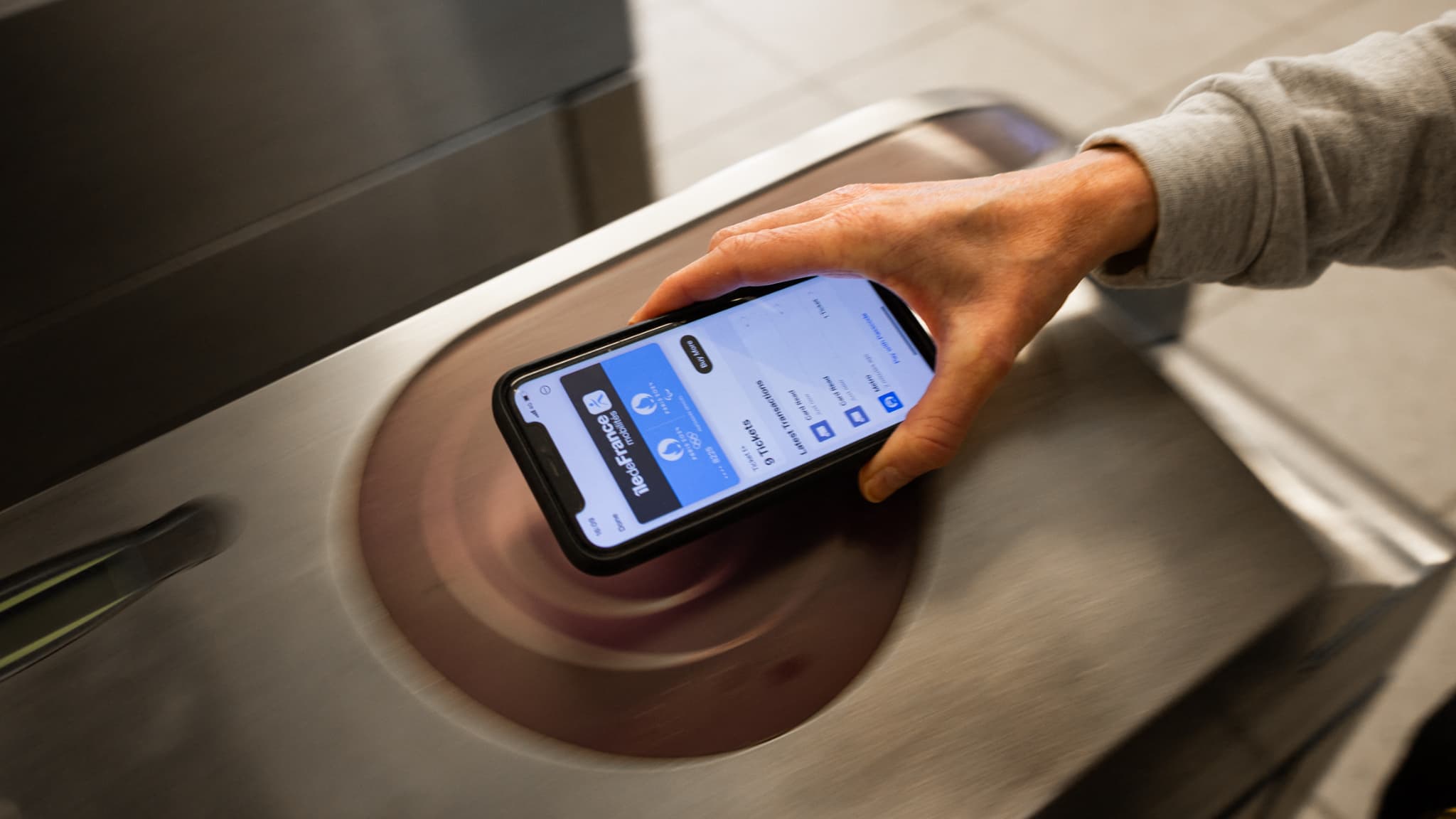
Depuis le 2 juillet 2026, le pass Navigo Annuel franchit une nouvelle étape dans sa dématérialisation en arrivant sur les smartphones Android. Les abonnés franciliens dotés d’un forfait annuel classique ou senior peuvent désormais transférer leur titre sur un mobile compatible et valider directement aux portiques avec leur téléphone, sans même avoir à le déverrouiller. Une évolution attendue de longue date par les usagers, alors que les tickets et forfaits courts (Jour, Semaine, Mois, Liberté+) étaient déjà passés au numérique.
Le déploiement concerne 1,3 million d’abonnés, qui paient 998 euros par an pour circuler sur l’ensemble des zones d’Île-de-France. Île-de-France Mobilités étale l’opération sur deux semaines afin de gérer progressivement les transferts de titres. Cette bascule du support physique vers le smartphone intervient deux ans après la dématérialisation du passe mensuel, un décalage expliqué par des contraintes techniques et réglementaires, notamment liées à la lutte contre la fraude, estimée à 700 millions d’euros par an dans les transports franciliens.
Si les détenteurs de smartphones Android sont les premiers servis, la bascule ne sera pas immédiate pour tous. Les utilisateurs d’iPhone et d’Apple Watch devront patienter jusqu’à septembre 2026 pour intégrer leur Navigo Annuel à leur appareil. Les 1,4 million d’étudiants titulaires du forfait Imagine R devront, eux, attendre septembre 2027 pour bénéficier du même niveau de dématérialisation. Île-de-France Mobilités assume ainsi un calendrier progressif et inégal selon les publics, après plusieurs reports qui avaient suscité l’exaspération d’une partie des usagers.
Concrètement, les abonnés éligibles doivent passer par l’application Île-de-France Mobilités. Une fois l’application installée, il leur faut se connecter à l’onglet « Mon Espace », puis sélectionner l’option « Transférer mon Navigo Annuel ». Si le profil est compatible, l’abonnement est basculé sur le smartphone, qui devient alors le titre de transport unique. Pour l’autorité organisatrice, cette étape marque « une nouvelle étape de la simplification des déplacements en Île-de-France », tout en s’inscrivant dans une stratégie plus large de modernisation des titres de transport et de réduction de la fraude.