
Makati City has shifted 11 of its largest government-owned facilities to run on 100% renewable energy, in what Mayor Nancy Binay cast as a defining step in her first year in office and a signal of the financial and environmental direction she wants for the country’s premier business district. The facilities, which include city hall complexes, a public university, a hospital and several schools, have a combined average monthly peak demand of 5.76 megawatts, making them among the most energy‑intensive in the city’s portfolio.
The first phase of the transition is anchored on a Renewable Energy Supply Contract with ACEN Corporation and covers the New Makati City Hall, which alone accounts for 2.09 MW of peak demand, the University of Makati at 1.33 MW, and the Makati Coliseum at 0.46 MW. Also included are Makati City Hall Building 2, the Old City Hall Building, two power meters at Ospital ng Makati, and three public schools: Nemesio I. Yabut Elementary School, Makati High School and Pio del Pilar Elementary School. According to the city government, the switch means Makati has already reached 60.92% of its clean energy target for the year, part of a broader plan to eventually power all municipal buildings with renewable sources.
Binay described the move as both an environmental and fiscal strategy, saying that every kilowatt shifted to clean energy is expected to lower emissions and reduce electricity costs, with savings to be redirected to public services. She framed the initiative as an extension of the governance style of her father, former Vice President and Makati mayor Jejomar Binay, crediting him with encouraging the city to adopt innovation while maintaining a focus on social needs. During the switching ceremony at Makati City Hall, she emphasized that the transition is intended to balance progress with long-term quality of life for future generations.
To track and communicate the impact of the program, Makati and ACEN launched a Renewable Energy Leaderboard, a public dashboard that shows real-time, hour-by-hour electricity consumption and estimated carbon emissions avoided by the 11 facilities. Available in both English and Filipino and to be displayed in public spaces including city hall, the tool translates emissions reductions into everyday equivalents such as trees planted or vehicle miles avoided, and into metrics tied to an average individual’s carbon footprint. The initiative has drawn support from national energy regulators and industry, with the Energy Regulatory Commission recognizing Makati in March as the first local government unit in the Philippines to adopt 100% renewable energy utilization under the Retail Competition and Open Access framework.
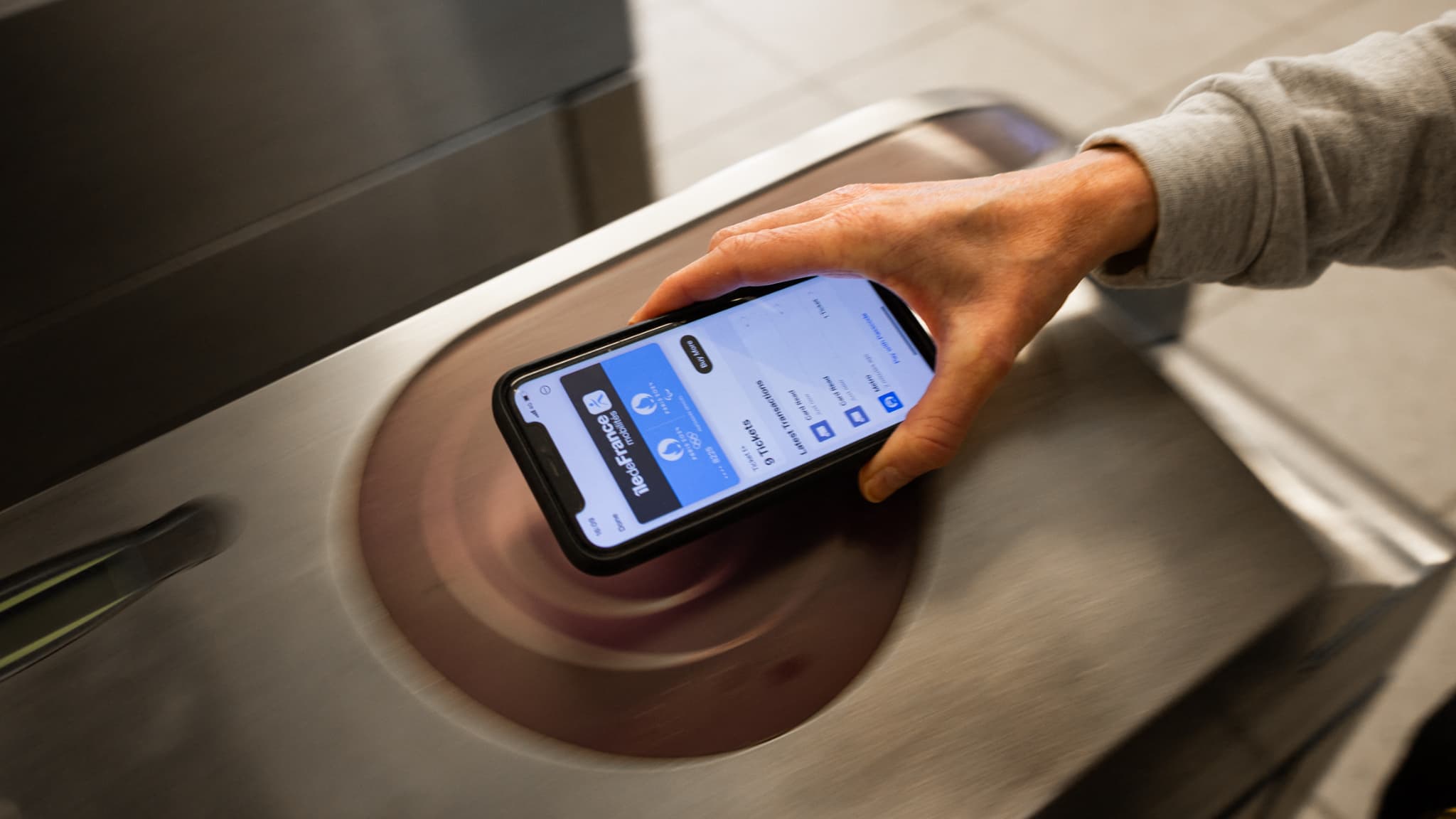
Depuis le 2 juillet 2026, le pass Navigo Annuel franchit une nouvelle étape dans sa dématérialisation en arrivant sur les smartphones Android. Les abonnés franciliens dotés d’un forfait annuel classique ou senior peuvent désormais transférer leur titre sur un mobile compatible et valider directement aux portiques avec leur téléphone, sans même avoir à le déverrouiller. Une évolution attendue de longue date par les usagers, alors que les tickets et forfaits courts (Jour, Semaine, Mois, Liberté+) étaient déjà passés au numérique.
Le déploiement concerne 1,3 million d’abonnés, qui paient 998 euros par an pour circuler sur l’ensemble des zones d’Île-de-France. Île-de-France Mobilités étale l’opération sur deux semaines afin de gérer progressivement les transferts de titres. Cette bascule du support physique vers le smartphone intervient deux ans après la dématérialisation du passe mensuel, un décalage expliqué par des contraintes techniques et réglementaires, notamment liées à la lutte contre la fraude, estimée à 700 millions d’euros par an dans les transports franciliens.
Si les détenteurs de smartphones Android sont les premiers servis, la bascule ne sera pas immédiate pour tous. Les utilisateurs d’iPhone et d’Apple Watch devront patienter jusqu’à septembre 2026 pour intégrer leur Navigo Annuel à leur appareil. Les 1,4 million d’étudiants titulaires du forfait Imagine R devront, eux, attendre septembre 2027 pour bénéficier du même niveau de dématérialisation. Île-de-France Mobilités assume ainsi un calendrier progressif et inégal selon les publics, après plusieurs reports qui avaient suscité l’exaspération d’une partie des usagers.
Concrètement, les abonnés éligibles doivent passer par l’application Île-de-France Mobilités. Une fois l’application installée, il leur faut se connecter à l’onglet « Mon Espace », puis sélectionner l’option « Transférer mon Navigo Annuel ». Si le profil est compatible, l’abonnement est basculé sur le smartphone, qui devient alors le titre de transport unique. Pour l’autorité organisatrice, cette étape marque « une nouvelle étape de la simplification des déplacements en Île-de-France », tout en s’inscrivant dans une stratégie plus large de modernisation des titres de transport et de réduction de la fraude.